Project Penang Living Lab for Advancing the Creative Economy (PLLACE)
Project Penang Living Lab for Advancing the Creative Economy (PLLACE): Advancing Women’s Creative Workers’ Empowerment through Mentoring and Leadership
Universiti Sains Malaysia (USM), through the Centre for Research on Women and Gender (KANITA), contributes to Sustainable Development Goal 5 by embedding gender-responsive evidence and inclusive participation within the Penang Living Lab for Advancing the Creative Economy (PLLACE). Work Package 3 (WP3), ‘Upskilling Penang’s Creative Workers’, addressed unequal access to business knowledge, mentoring, leadership support, professional networks, and opportunities for creative workers to convert cultural and creative practice into sustainable livelihoods. Its approach is relevant to SDG 5, particularly women’s full and effective participation in economic life (Target 5.5) and the use of enabling technology to support women’s empowerment (Target 5.b).
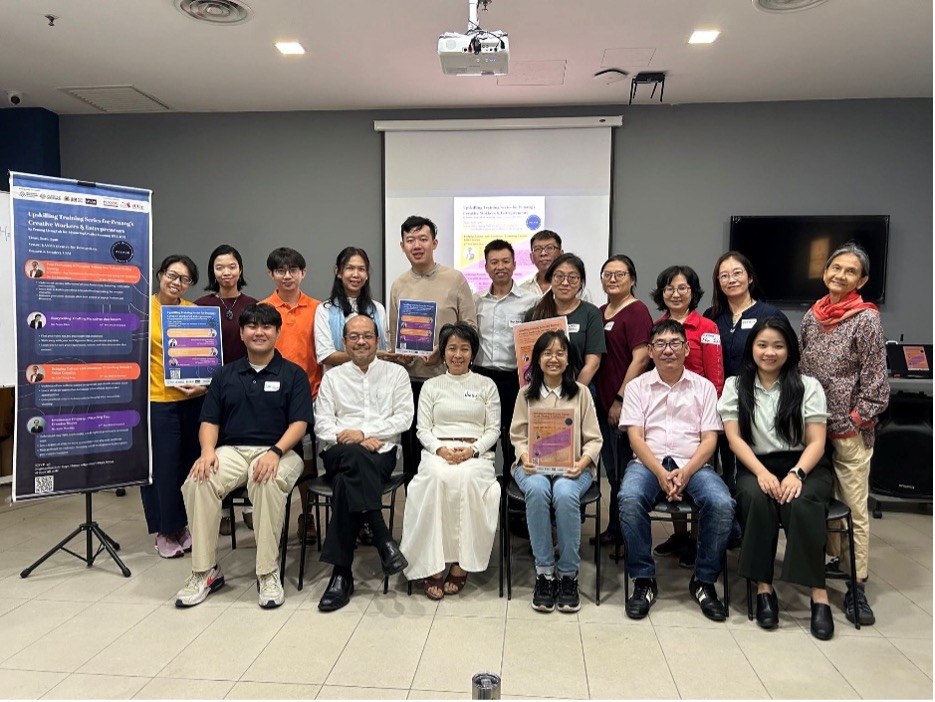
The intervention began with interviews involving 11 creative workers and nine academics, followed by a survey of 166 creative entrepreneurs. Women represented 58% of validated respondents, compared with 40% men and 2% who identified as another sex category. The survey found that 52% of respondents were interested in professional upskilling. It also identified strong demand for social-media and digital-marketing skills (72.3%), a preference for mentoring (29.5%) and a substantial intellectual-property confidence gap, with only 26.51% reporting confidence in navigating IP rights. Gender-disaggregated participation data allowed WP3 to monitor women’s representation and ensured that their experiences informed the training design.
Rather than applying a predetermined curriculum, WP3 used the PLLACE Living Lab to co-create learning priorities with the creative community. The resulting curriculum covered funding and negotiation, storytelling, commercialisation and internationalisation, as well as intellectual-property protection. These areas respond to barriers that can limit women creative workers’ access to finance, markets, professional visibility and control over the economic value of their creative work. Training was delivered through practical exercises, live coaching, peer exchange and specialist feedback so that participants could apply new knowledge directly to their projects and enterprises.
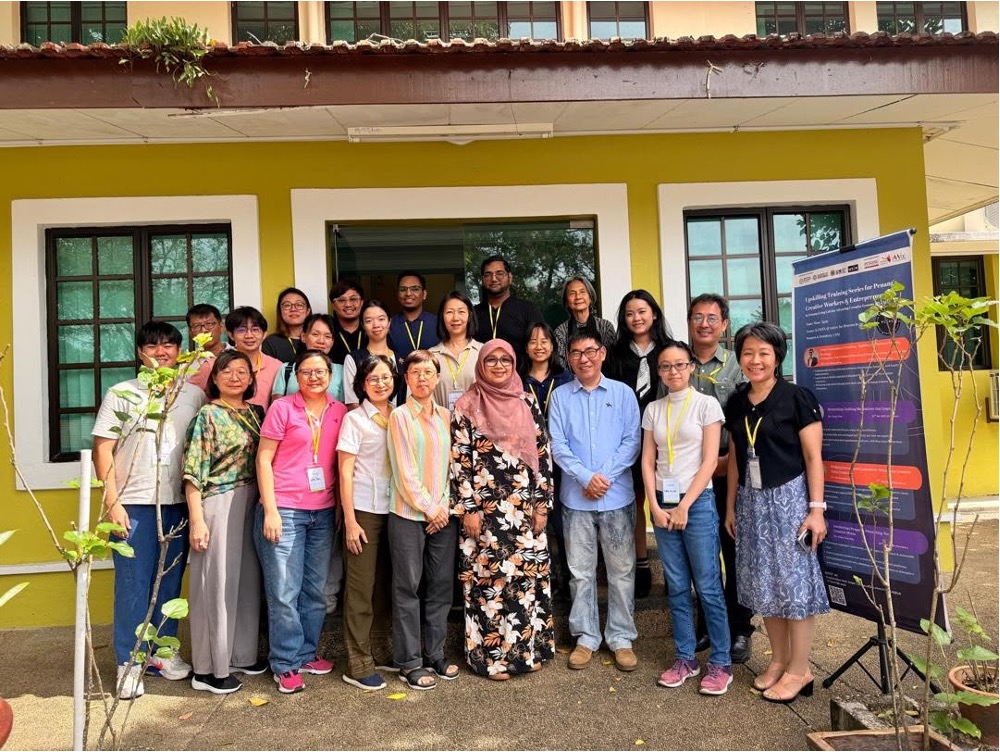
Four specialised sessions were conducted between 8 December 2025 and 27 January 2026, reaching 95 participant attendances. Women accounted for 56 attendances (58.9%), men for 38 (40.0%) and one participant (1.1%) preferred not to disclose gender. Women formed the majority in every session: funding (14 of 22), storytelling (17 of 29), commercialisation (10 of 17) and intellectual property (15 of 27). Participant reflections indicated gains in confidence, clearer business and funding strategies, stronger storytelling capacity and a better understanding of how to protect and monetise creative work.
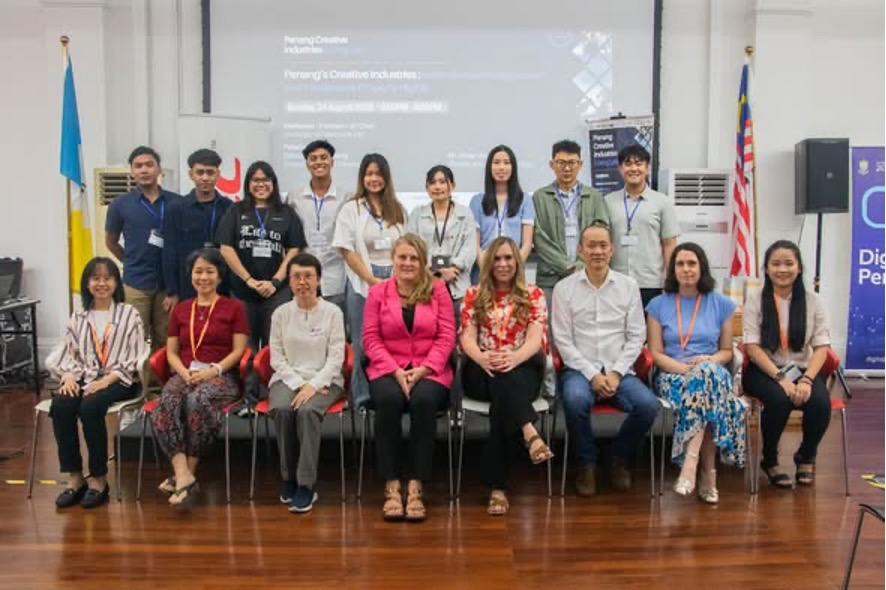
PLLACE demonstrates how an evidence-led living-lab model can support gender equality within the creative economy. By identifying skills gaps, involving women in curriculum co-creation and tracking participation by gender, WP3 created a more responsive pathway from creative practice to economic agency. The project is in line with SDG 5: women’s needs were reflected in programme design, women participated strongly across all four training areas and the intervention strengthened access to knowledge and tools that support more equitable participation in creative entrepreneurship.